Boeing
Timeline
June 2025
-August 2025
Role
Cross-Functional UX & Systems Design
Electrical & Electronic Engineering Intern
Tools
Figma
SQL, CATIA
The project focused on improving a mechanic training platform designed for use in Boeing’s maintenance shops. Although the site was built to support learning and workflow efficiency, engagement and completion rates were low. My goal was to understand why usage had declined and identify opportunities to make the training experience more intuitive, relevant, and engaging.
As a cross-functional intern working with the UX, Engineering, and Product teams, I contributed to early research, ideation, and design exploration. I led the development of the usability testing plan, collaborated with engineers and UX designers to understand pain points, and proposed design enhancements for navigation, content clarity, and workflow efficiency. Because of my internship timeline, I was not present for final implementation, but my work laid the foundation for future evaluations and updates.
Despite being an available training resource for shop mechanics, the platform had low adoption and limited engagement. Many mechanics found the interface unintuitive compared to other internal systems they already relied on. This made it harder to locate relevant content, understand next steps, and stay motivated to complete training. I set out to uncover usability barriers, assess what was working well, and design improvements to increase clarity and retention.
Working with stakeholders across multiple teams, I helped map high-level pain points—such as navigation complexity, and unclear task progression. Due to confidentiality, I cannot share specific flows or internal findings, but these insights guided my usability study plan and informed several proposed improvements.
✈︎ Created a comprehensive usability study package handed off to the UX team, including protocols, tasks, and success metrics.
✈︎ Synthesized cross-team insights from mechanics, engineers, and UX partners to highlight recurring friction points and workflow gaps.
✈︎ Proposed high-level design considerations that helped the team rethink how mechanics discover, navigate, and complete training.
✈︎ Established a scalable evaluation framework the team can reuse as the platform evolves.
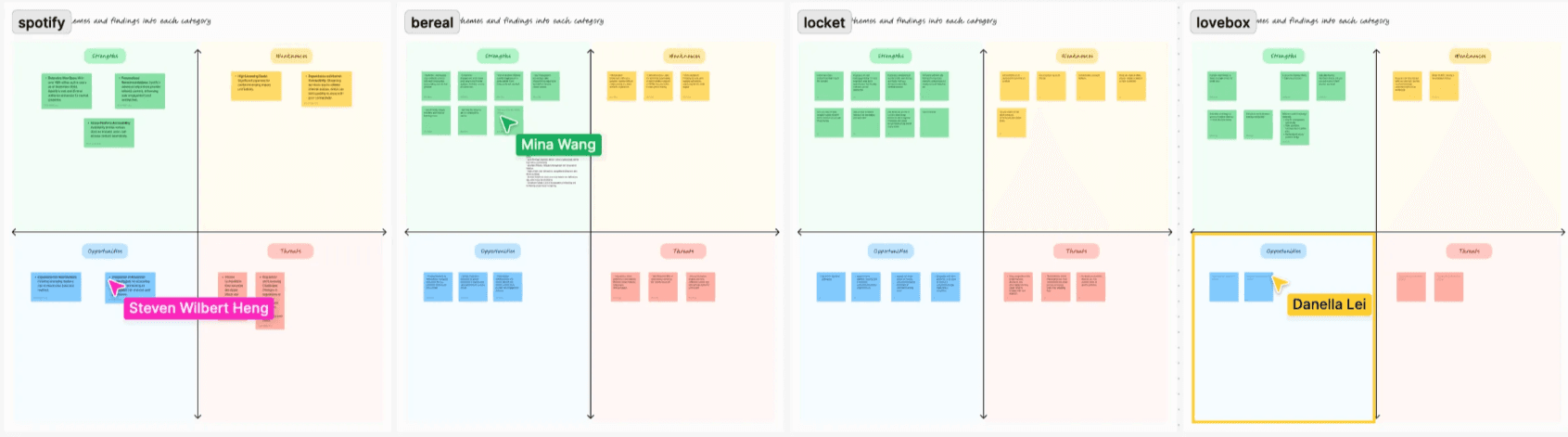
My work strengthened the team’s understanding of key usability challenges and provided a foundation for future improvements to the mechanic training platform. While I was not able to see the testing or design recommendations implemented before my internship ended, my contributions supported long-term evaluation and redesign efforts.
This project strengthened my ability to design research for complex, high-stakes environments and collaborate across engineering, UX, and shop-floor roles. Presenting my recommendations to industry teams taught me how to communicate research insights clearly while respecting confidentiality and technical constraints.